Potty Training Tips for a Stress-Free Experience
- Sally White
- Feb 5
- 4 min read

Potty training can be one of the most challenging milestones for parents and caregivers. It often comes with a mix of excitement and anxiety as you navigate this significant transition in your child's life. The good news is that with the right approach, potty training can be a stress-free experience for both you and your little one. In this post, we will explore practical tips and strategies to make potty training a smooth journey.
Understanding Readiness
Before diving into the potty training process, it's crucial to understand when your child is ready. Every child is different, but there are some common signs to look for:
Physical Signs: Your child stays dry for longer periods, shows interest in the bathroom, or can pull their pants up and down.
Emotional Signs: They express discomfort with dirty diapers or show curiosity about using the toilet.
Cognitive Signs: Your child can follow simple instructions and communicate their needs.
By recognizing these signs, you can choose the right time to start potty training, making the process smoother.
Creating a Positive Environment
A positive environment can significantly impact your child's potty training experience. Here are some tips to create a welcoming atmosphere:
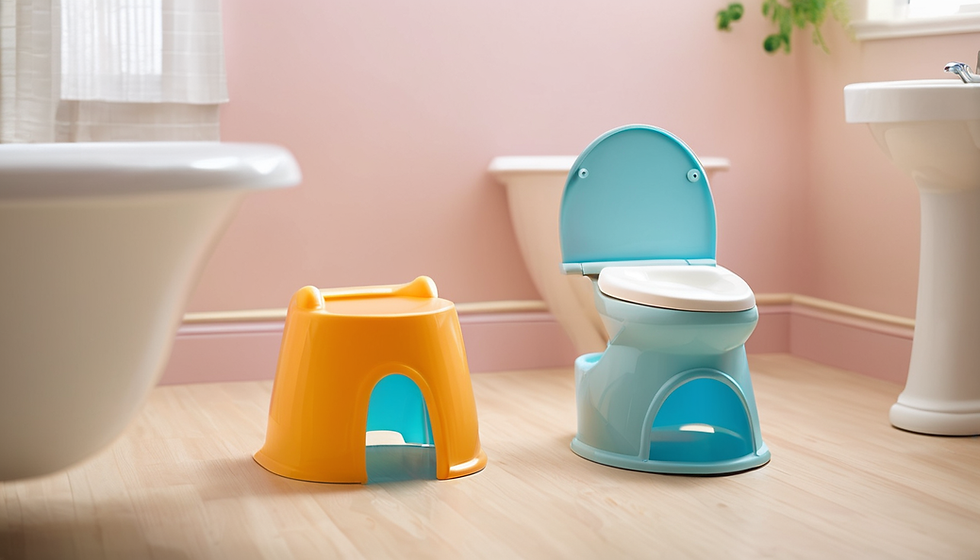
Choose the Right Potty: Let your child pick their potty. Whether it’s a colorful potty chair or a seat that fits on the regular toilet, having a say in the choice can make them more excited to use it.
Set Up a Routine: Consistency is key. Establish a routine by encouraging bathroom visits at regular intervals, such as after meals or before bedtime.
Use Positive Reinforcement: Celebrate successes, no matter how small. Use praise, stickers, or a reward chart to motivate your child.
Teaching the Process
Once your child is ready and the environment is set, it's time to teach them how to use the potty. Here are some effective methods:
Demonstrate: Show your child how to use the potty. If they see you or an older sibling using the toilet, they may feel more inclined to try it themselves.
Read Books Together: There are many children's books about potty training that can help your child understand the process in a fun way. Reading together can also spark conversations about using the toilet.
Practise Patience: Accidents will happen, and that’s perfectly normal. Stay calm and reassure your child that it's okay. Use these moments as learning opportunities rather than reasons for frustration.
Dealing with Challenges
Potty training can come with its fair share of challenges. Here are some common issues and how to address them:
Resistance: If your child is resistant to using the potty, take a break. Sometimes, a little time away from the process can help them feel more comfortable.
Nighttime Training: Nighttime dryness often comes later than daytime training. Use waterproof mattress covers and encourage your child to use the potty before bed.
Regression: It's not uncommon for children to regress after they’ve been trained. This can happen due to stress, changes in routine, or new siblings. Be supportive and patient during these times.
Encouraging Independence
As your child becomes more comfortable with using the potty, encourage their independence. Here are some ways to foster this:
Teach Hygiene: Show your child how to wipe properly and wash their hands after using the toilet. This not only promotes independence but also instills good hygiene habits.
Let Them Choose: Allow your child to pick out their underwear. Fun designs can motivate them to stay dry and use the potty.
Encourage Self-Assessment: Help your child recognize when they need to go. Ask them how they feel and encourage them to listen to their body.
Maintaining Consistency
Consistency is crucial throughout the potty training process. Here are some tips to maintain a steady approach:
Communicate with Caregivers: If your child spends time with other caregivers, ensure everyone is on the same page regarding potty training practices.
Stay Positive: Keep a positive attitude about potty training. Your enthusiasm can be contagious and encourage your child to embrace the process.
Be Flexible: While consistency is important, be prepared to adapt your approach based on your child's needs and progress.
Celebrating Success
Once your child has successfully mastered potty training, it's time to celebrate! Here are some ideas for celebrating this significant milestone:
Host a Potty Party: Invite family or friends over to celebrate your child's achievement. This can make them feel proud and recognized for their hard work.
Create a Memory Book: Document the potty training journey with photos and notes. This can be a fun keepsake for both you and your child.
Reward Them: Consider a special treat or outing as a reward for their success. This reinforces the positive experience associated with using the potty.
Conclusion
Potty training can be a challenging yet rewarding experience for both parents and children. By understanding readiness, creating a positive environment, teaching the process, and maintaining consistency, you can make this transition as stress-free as possible. Remember to celebrate successes and be patient through the challenges. With love and support, your child will soon be on their way to being fully potty trained.
As you embark on this journey, keep in mind that every child is unique. What works for one may not work for another. Trust your instincts, stay positive, and enjoy this special time in your child's development. Happy potty training!

Comments